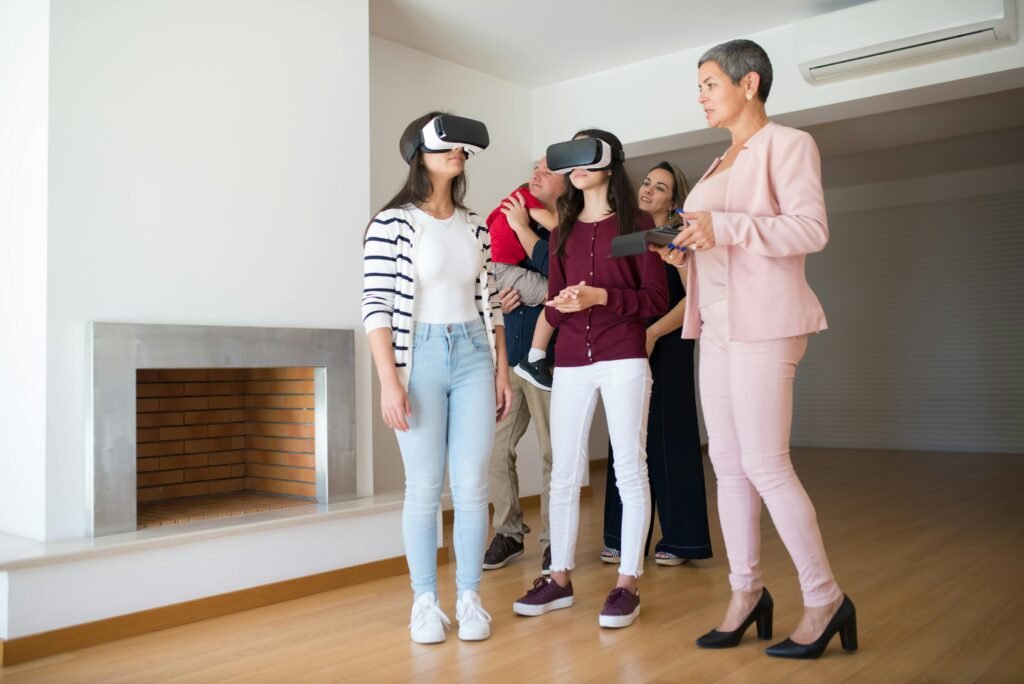
Introduction: Virtual Reality Is Reshaping the Home Buying Experience
The real estate industry has always evolved alongside technology, but few innovations have been as transformative as virtual reality. As home buyers increasingly expect convenience, transparency, and immersive digital experiences, virtual reality has emerged as a powerful tool that is redefining how properties are discovered, explored, and purchased. What once required multiple in-person visits and long decision cycles can now begin with a fully immersive virtual tour from anywhere in the world.
Virtual reality is not just enhancing the buying process—it is changing buyer behavior, seller strategies, and the role of real estate professionals. From remote tours and pre-construction visualization to faster decision-making and reduced costs, VR is becoming a central pillar of modern real estate marketing.
This article explores how virtual reality is changing home buying, why it matters for buyers and sellers, and how it is shaping the future of the real estate industry.
Understanding Virtual Reality Technology in Real Estate
Virtual reality in real estate refers to the use of digital 3D environments that allow buyers to experience a property as if they were physically present. Unlike traditional photos or videos, VR creates a sense of presence by allowing users to move freely within a virtual space, look around in every direction, and explore details at their own pace.
In real estate, VR is commonly delivered through 360-degree virtual tours accessible on desktops, smartphones, or VR headsets. These experiences replicate the spatial layout of a home, helping buyers understand room proportions, flow, and overall design far better than static images ever could. According to Forbes, immersive technologies like VR are accelerating digital transformation across industries, including real estate, retail, and education.
https://www.forbes.com/sites/forbestechcouncil/2023/05/16/how-virtual-reality-is-transforming-business/
The Shift From Traditional Property Listings to Virtual Home Tours
For decades, home listings relied on written descriptions supported by a limited number of photographs. While helpful, these listings often failed to accurately represent the property, leading to disappointment during in-person visits. Video walkthroughs improved transparency, but they still restricted buyers to a fixed perspective.
Virtual reality has changed this dynamic by allowing buyers to actively explore a home. Instead of watching what the camera shows, buyers choose where to go and what to examine. This shift from passive viewing to interactive exploration has dramatically improved how buyers evaluate homes and has raised expectations across the industry.
Remote Home Buying Through Virtual Reality Tours
One of the most impactful ways virtual reality is changing home buying is by eliminating geographical barriers. Buyers can now tour homes located in different cities or even different countries without leaving their current location. This is especially valuable for international buyers, expatriates, remote workers, and real estate investors.
Remote VR tours allow buyers to narrow down their options before committing to travel. As a result, in-person visits become more focused and purposeful. According to the National Association of Realtors, buyers increasingly rely on virtual tours when searching for homes online.
https://www.nar.realtor/research-and-statistics
Saving Time and Increasing Efficiency in the Home Buying Process
Time is one of the most valuable resources in real estate transactions. Virtual reality significantly reduces the time spent on unnecessary property visits by helping buyers pre-screen homes more effectively. Buyers can quickly determine whether a property meets their needs, while agents spend less time scheduling and conducting showings that do not lead to serious interest.
This efficiency benefits all parties involved. Buyers feel more in control of their search, sellers receive more qualified leads, and agents can focus their efforts on clients who are ready to move forward.
Building Buyer Confidence Through Immersive Property Experiences
Home buying is a major financial and emotional decision. Uncertainty often leads to hesitation, delays, or regret. Virtual reality addresses this issue by providing buyers with a deeper understanding of a property early in the process.
With VR tours, buyers can revisit a home multiple times, explore every room in detail, and share the experience with family members or decision-makers. This repeated exposure increases familiarity and confidence, helping buyers feel more comfortable making offers sooner.
Selling Homes Before They Are Built With Virtual Reality
Virtual reality is revolutionizing pre-construction and off-plan real estate sales. Developers can now present properties that do not yet exist using fully rendered VR environments. Buyers can walk through future homes, explore finishes, and visualize layouts long before construction is complete.
This approach is far more effective than traditional floor plans or static renderings. According to PwC, immersive technologies like VR are expected to play a major role in real estate development and urban planning.
https://www.pwc.com/gx/en/industries/technology/publications/virtual-reality-study.html
Emotional Connection and Storytelling Through VR Home Tours
Buying a home is deeply emotional. Buyers imagine their future lives in a space, picturing daily routines, family moments, and personal milestones. Virtual reality enhances this emotional connection by allowing buyers to experience the atmosphere and flow of a home rather than just viewing images.
The sense of presence created by VR helps buyers form stronger emotional attachments earlier in the process. This emotional engagement often translates into higher interest levels and quicker purchasing decisions.
How Virtual Reality Benefits Home Sellers and Real Estate Developers
For sellers, virtual reality provides a powerful marketing advantage. Properties with VR tours stand out in crowded online listings and attract more serious buyers. VR also reduces unnecessary foot traffic, minimizing wear and tear on staged or newly renovated homes.
Developers benefit from VR by showcasing projects globally, accelerating pre-sales, and improving buyer understanding of complex designs. According to McKinsey, digital tools like VR are helping real estate companies streamline sales and improve customer engagement.
https://www.mckinsey.com/industries/real-estate/our-insights
Virtual Reality Versus Augmented Reality in Home Buying
While virtual reality creates a fully immersive digital environment, augmented reality overlays digital elements onto the real world. Both technologies play important roles in modern real estate.
Virtual reality is best suited for full property tours and remote exploration, while augmented reality helps buyers visualize furniture placement, renovations, or interior design changes in real spaces. Together, VR and AR provide a more personalized and interactive home buying experience.
Accessibility of Virtual Reality Technology for Buyers
A common misconception is that virtual reality requires expensive equipment. In reality, many VR tours are accessible through standard web browsers or smartphones. While VR headsets enhance immersion, they are not required, making the technology accessible to a wide audience.
As hardware costs decrease and software platforms improve, VR is becoming increasingly user-friendly. This accessibility is accelerating adoption across different age groups and buyer demographics.
Challenges and Limitations of Virtual Reality in Real Estate
Despite its advantages, virtual reality cannot fully replace physical property visits. Buyers still need to experience elements such as sound, temperature, and neighborhood atmosphere in person. Additionally, creating high-quality VR tours requires professional expertise, which can represent an initial investment for sellers or agents.
However, as technology advances and costs continue to decline, these limitations are becoming less significant.
How Real Estate Agents Are Adapting to Virtual Reality
Rather than replacing real estate agents, virtual reality enhances their role. Agents now act as digital advisors, guiding clients through VR tours, answering questions, and providing market insights alongside immersive experiences.
This combination of technology and human expertise strengthens trust and positions agents as modern, forward-thinking professionals who deliver greater value to their clients.
The Future of Home Buying in a Virtual Reality World
The future of home buying will be increasingly immersive and data-driven. Virtual reality will continue to integrate with artificial intelligence, smart home technology, and digital marketplaces. Buyers may soon attend live VR open houses, tour properties with friends remotely, or receive personalized recommendations based on virtual tour behavior.
According to Statista, the global VR market is expected to grow significantly in the coming years, further accelerating adoption across real estate and other industries.
https://www.statista.com/topics/2532/virtual-reality-vr/
Conclusion: Virtual Reality Is Setting a New Standard in Real Estate
Virtual reality is no longer an optional innovation—it is becoming a new standard in home buying. By offering immersive property experiences, reducing friction, and empowering buyers with better information, VR is reshaping how real estate transactions begin and evolve.
As buyer expectations continue to shift toward digital convenience and transparency, virtual reality will play an increasingly central role in real estate marketing and sales. The future of home buying is immersive, efficient, and global—and virtual reality is leading the transformation.