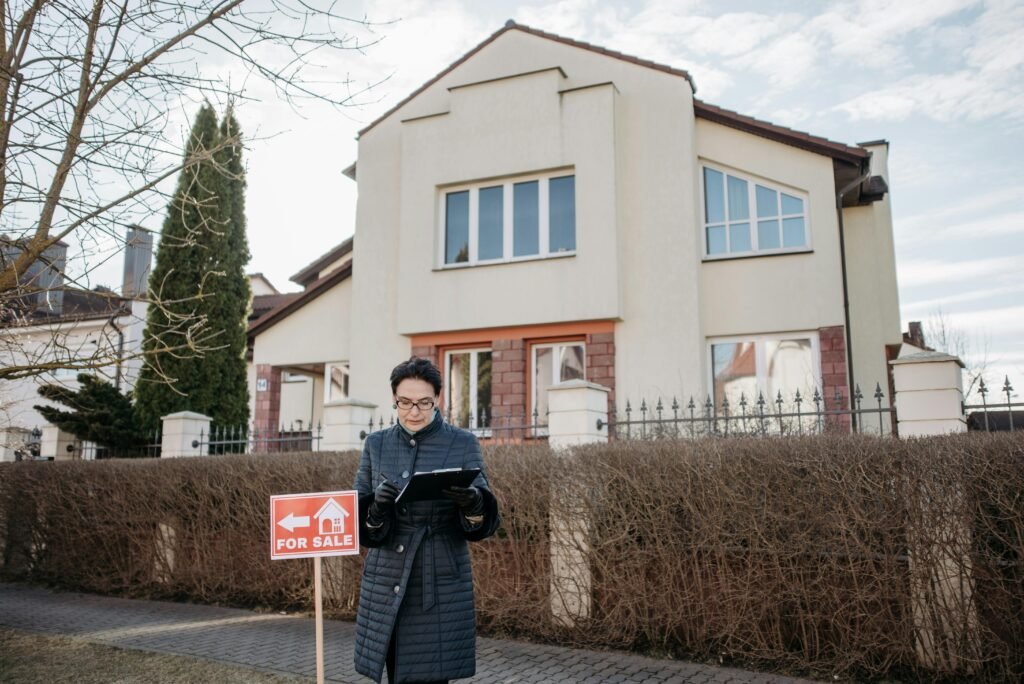
Introduction: Why First-Time Real Estate Investors Lose Money
Real estate investing is often promoted as one of the safest and most profitable ways to build long-term wealth. While this is true for experienced investors, first-time real estate investors frequently discover that the process is far more complex than expected. Many enter the market with optimism and ambition, yet without a full understanding of the risks involved. As a result, beginner real estate investors often make avoidable mistakes that cost them time, money, and confidence.
Understanding the most common real estate investment mistakes before purchasing your first property can significantly improve your return on investment (ROI). This article breaks down the top mistakes first-time investors make and explains how to avoid them using proven strategies and data-backed insights.
Lack of Real Estate Education Is the Biggest Mistake New Investors Make
One of the most common first-time real estate investing mistakes is failing to invest time in education. Many beginners rely on social media, word of mouth, or outdated advice rather than studying real estate fundamentals. Real estate markets are influenced by economic cycles, interest rates, local demand, and legal regulations, all of which require proper understanding.
Without education, investors struggle to analyze deals accurately or recognize red flags. Learning about cash flow, market analysis, financing options, and property management is essential before committing capital. Trusted resources such as Investopedia’s real estate section provide foundational knowledge for beginners.
https://www.investopedia.com/real-estate-4427765
Successful investors treat real estate as a business, not a side hobby.
Underestimating Real Estate Investment Costs Destroys ROI
Another major mistake first-time real estate investors make is underestimating the true cost of owning property. Beginners often calculate profitability based only on the purchase price and monthly mortgage, ignoring ongoing and unexpected expenses. These costs include property taxes, insurance, maintenance, repairs, vacancies, legal fees, and long-term capital expenditures such as roofing or HVAC replacement.
Failing to budget for these expenses creates cash flow problems that quickly erode ROI. According to BiggerPockets, maintenance and vacancy costs alone can consume a significant portion of rental income if not properly planned for.
https://www.biggerpockets.com/blog/rental-property-expenses
Accurate expense forecasting separates profitable investors from those who struggle financially.
Buying Property in the Wrong Location Is a Costly Beginner Error
Location is one of the most critical factors in real estate investing, yet first-time investors frequently choose the wrong market. Many beginners focus on low purchase prices rather than rental demand, employment growth, and neighborhood stability. A cheap property in a declining area may remain vacant or attract unreliable tenants.
Strong real estate markets are driven by population growth, job opportunities, infrastructure development, and access to amenities. Data-driven location research using tools like Zillow Market Reports helps investors identify sustainable markets.
https://www.zillow.com/research/
Buying in the wrong location can trap investors in underperforming properties for years.
Emotional Decision-Making Leads to Overpaying for Investment Properties
New investors often approach real estate emotionally instead of analytically. They fall in love with properties, visual upgrades, or personal preferences rather than focusing on financial performance. Emotional investing leads to overpaying, overspending on renovations, and ignoring structural or legal issues.
Real estate investing requires discipline. Properties must be evaluated based on rental income, operating costs, market value, and exit potential. According to Forbes Real Estate Council, emotional bias is one of the most common causes of poor investment decisions.
https://www.forbes.com/sites/forbesrealestatecouncil/
Successful investors buy based on numbers, not feelings.
Poor Financing Choices Hurt First-Time Real Estate Investors
Financing mistakes are especially common among beginner real estate investors. Some rely on high-interest loans, adjustable-rate mortgages, or excessive leverage without understanding the long-term impact. Others underestimate how rising interest rates affect monthly cash flow.
Overleveraging increases risk and reduces flexibility during market downturns. First-time investors should understand loan terms, debt service coverage, and conservative financing strategies. The Consumer Financial Protection Bureau offers reliable guidance on mortgage basics.
https://www.consumerfinance.gov/owning-a-home/
Smart financing decisions protect investors during uncertain economic cycles.
Ignoring Cash Flow Is One of the Most Dangerous Investment Mistakes
Many first-time investors focus entirely on appreciation while ignoring cash flow. They assume property values will rise indefinitely, but history shows markets fluctuate. Without positive cash flow, investors are forced to pay expenses out of pocket during vacancies or downturns.
Cash flow provides financial stability and reduces reliance on speculation. According to the National Association of Realtors, sustainable rental investments prioritize consistent income over short-term gains.
https://www.nar.realtor/research-and-statistics
Cash flow keeps investors solvent when appreciation slows.
Skipping Due Diligence Exposes New Investors to Hidden Risks
Rushing into a deal without proper due diligence is a critical mistake. First-time investors often skip inspections, fail to review zoning regulations, or trust seller-provided financials without verification. These shortcuts lead to unexpected repairs, legal disputes, and reduced profitability.
Professional inspections, legal reviews, and income verification are essential steps in protecting capital. The U.S. Small Business Administration highlights due diligence as a core principle of investment risk management.
https://www.sba.gov/business-guide/manage-your-business/risk-management
Due diligence is not an expense—it is insurance.
Poor Property Management Reduces Rental Income and ROI
Property management is frequently underestimated by beginner investors. Managing tenants, handling maintenance, enforcing leases, and complying with local laws require time, expertise, and consistency. Poor management leads to vacancies, late payments, and property damage.
Hiring professional property managers can improve tenant retention and operational efficiency. According to the Institute of Real Estate Management, effective management directly increases property value.
https://www.irem.org/
Strong management protects both income and assets.
Choosing the Wrong Real Estate Investment Strategy Causes Failure
First-time investors often pursue trendy strategies such as house flipping or short-term rentals without understanding the risks involved. Each investment strategy has different capital requirements, timelines, and market sensitivities.
Beginner investors benefit from starting with simple, long-term rental strategies before moving into complex models. Harvard Business Review emphasizes strategic alignment as a key factor in investment success.
https://hbr.org/
Clarity of strategy prevents costly experimentation.
No Exit Strategy Leaves Investors Stuck in Bad Deals
Failing to plan an exit strategy is another common beginner mistake. Investors focus heavily on purchasing but rarely consider how or when they will sell. Market conditions, personal finances, and regulatory changes can all affect exit timing.
A strong exit strategy provides flexibility, whether selling to another investor, refinancing, or transitioning to a different use. The Real Estate Financial Modeling blog emphasizes exit planning as a core investment principle.
https://www.adventuresincre.com/
Every investment should have a clear exit plan from day one.
Over-Renovating Properties Reduces Real Estate Investment Returns
First-time investors often overspend on renovations, believing upgrades automatically increase value. In reality, over-improving a property beyond neighborhood standards reduces ROI. Tenants and buyers rarely pay extra for luxury features in average markets.
Renovations should focus on durability, safety, and market expectations. Remodeling Magazine’s annual cost vs. value report highlights which upgrades deliver the highest returns.
https://www.remodeling.hw.net/cost-vs-value
Smart renovations increase value without sacrificing profitability.
Impatience Prevents Long-Term Real Estate Success
Many beginner investors expect fast results and underestimate the time required to build wealth through real estate. Social media success stories create unrealistic expectations, leading to rushed deals and unnecessary risk-taking.
Real estate investing rewards patience, consistency, and long-term vision. According to JP Morgan Asset Management, long-term investing outperforms short-term speculation across asset classes.
https://am.jpmorgan.com/
Sustainable wealth is built steadily, not overnight.
Conclusion: Avoid These First-Time Real Estate Investing Mistakes to Protect Your Money
First-time real estate investors face a learning curve, but mistakes do not have to be expensive. By understanding the most common errors—such as poor education, emotional decision-making, underestimating costs, ignoring cash flow, and lacking a strategy—you can significantly improve your investment outcomes.
Real estate remains one of the most powerful wealth-building tools when approached with discipline and preparation. Educate yourself, analyze deals carefully, plan conservatively, and think long-term. Avoiding these common first-time investor mistakes will protect your money, increase ROI, and position you for sustainable success.