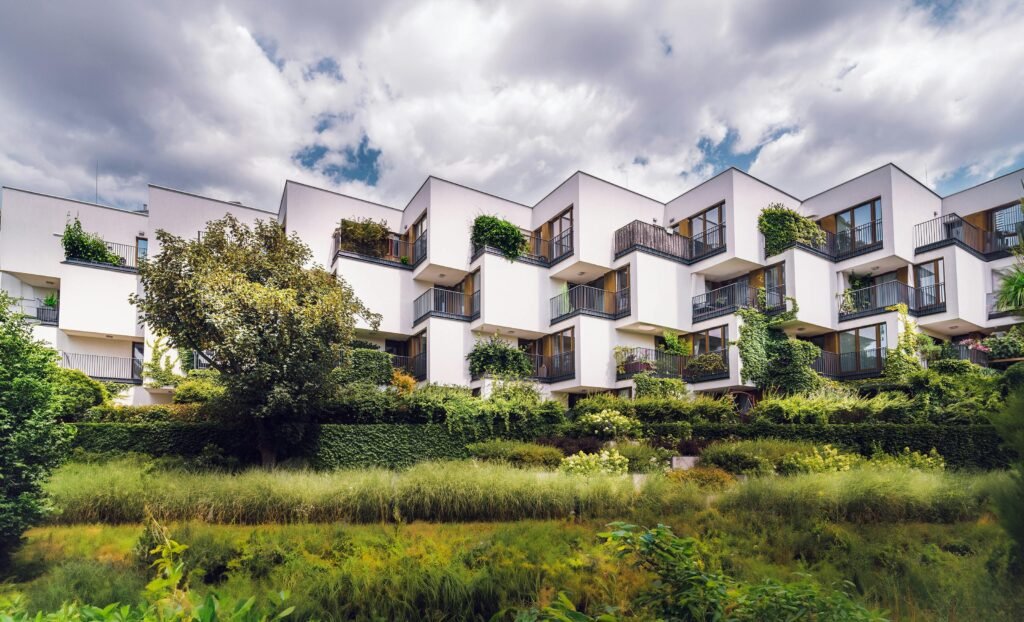
Introduction to Eco-Friendly Communities and Sustainable Living
The global real estate market is undergoing a profound transformation. Buyers today are no longer focused solely on location, size, or luxury finishes. Instead, eco-friendly communities and sustainable living have emerged as defining priorities. Climate change, rising energy costs, and growing awareness of environmental responsibility are reshaping how people choose where and how they live. As a result, sustainable communities are quickly becoming the new standard rather than a niche alternative.
Eco-friendly communities are designed to balance modern living with environmental stewardship. They focus on reducing carbon emissions, conserving natural resources, and creating healthier lifestyles for residents. This shift reflects a deeper understanding that homes are long-term investments—not just financially, but environmentally and socially as well.
What Defines Eco-Friendly Communities in Modern Real Estate
Eco-friendly communities, often referred to as green or sustainable communities, are residential developments planned with environmental efficiency and long-term resilience in mind. Unlike conventional housing projects, these communities integrate sustainability into every aspect of design, construction, and daily living.
Homes in sustainable communities are typically built using energy-efficient materials, optimized layouts, and advanced insulation systems that reduce heating and cooling demands. Neighborhood planning emphasizes walkability, green spaces, and reduced dependence on private vehicles. These design principles create environments that are not only environmentally responsible but also more livable and connected.
For a deeper look at sustainable housing principles, you can explore this external resource from the United Nations Environment Programme: https://www.unep.org.
The Global Rise of Sustainable Communities and Green Development
The rise of sustainable communities is a global phenomenon. Cities across Europe, North America, Asia, and the Middle East are embracing eco-friendly development as a solution to urban overcrowding, pollution, and climate risks. Governments are introducing stricter building codes, encouraging renewable energy use, and offering incentives for green construction.
Developers are responding to this demand by prioritizing sustainable design from the earliest planning stages. Entire neighborhoods are now being built with energy efficiency, water conservation, and environmental impact assessments as core requirements. This global momentum signals a long-term shift in how urban environments are created and managed.
You can also read more about future-ready urban planning in our detailed guide on Sustainable Homes and Green Real Estate Trends: /sustainable-homes/green-real-estate-trends.
Why Eco-Friendly Living Is the New Buyer Priority
Eco-friendly living has moved from being a personal preference to a mainstream buyer priority. One of the primary reasons is growing environmental awareness. Buyers increasingly recognize that their housing choices directly affect carbon emissions, energy consumption, and natural ecosystems. Choosing a sustainable community allows individuals and families to align their lifestyle with their environmental values.
Another major factor is cost efficiency. Energy-efficient homes significantly reduce monthly utility bills through better insulation, smart systems, and renewable energy integration. Over time, these savings can be substantial, making sustainable living financially attractive as well as environmentally responsible.
Health and well-being also play a crucial role. Eco-friendly communities often feature improved air quality, natural lighting, and access to green spaces. These elements contribute to reduced stress, better physical health, and a higher overall quality of life.
Sustainable Community Design and Green Architecture Trends
Sustainable architecture is a cornerstone of eco-friendly communities. Modern green design focuses on creating homes that work with the environment rather than against it. Architects use passive design strategies to maximize natural ventilation and daylight, reducing reliance on artificial lighting and air conditioning.
Materials selection is another important aspect. Locally sourced and recycled materials reduce transportation emissions and support regional economies. Green roofs, shaded facades, and natural landscaping further enhance energy efficiency while blending developments seamlessly into their surroundings.
For examples of innovative green architecture, the World Green Building Council offers valuable insights: https://www.worldgbc.org.
Renewable Energy in Eco-Friendly Communities
Renewable energy is a defining feature of sustainable communities. Solar power is the most common solution, with rooftop panels and shared solar systems supplying clean electricity to homes and common areas. Some developments also incorporate wind energy or geothermal systems depending on local conditions.
Community-level energy solutions, such as microgrids, increase resilience and energy independence. These systems allow neighborhoods to store and distribute power efficiently, reducing vulnerability to outages and fluctuating energy prices. For buyers, renewable energy translates into long-term savings and greater energy security.
Learn more about clean energy integration and solar-powered developments in our in-depth article on Renewable Energy Homes and Communities: /sustainable-homes/renewable-energy-housing.
Water Conservation and Resource Efficiency in Sustainable Living
Water efficiency is becoming increasingly important as global water scarcity intensifies. Eco-friendly communities integrate smart water management systems that significantly reduce waste without compromising comfort. Efficient fixtures, rainwater harvesting, and recycled water systems are commonly used to support landscaping and non-potable needs.
Sustainable landscaping also plays a role. Native and drought-resistant plants reduce irrigation demand while maintaining attractive outdoor spaces. These practices not only conserve water but also lower maintenance costs for homeowners and communities.
For global perspectives on water sustainability, visit the World Resources Institute: https://www.wri.org.
Community-Centered Living in Green Neighborhoods
Beyond environmental benefits, eco-friendly communities prioritize social connection. Thoughtfully designed public spaces encourage interaction, collaboration, and a sense of belonging among residents. Walkable streets, shared gardens, and community hubs foster stronger relationships and healthier lifestyles.
This human-centered approach to development is especially appealing in modern cities, where isolation is increasingly common. Sustainable communities offer a balanced lifestyle that combines privacy with meaningful social engagement.
Smart Technology and Innovation in Sustainable Communities
Technology plays a critical role in enabling eco-friendly living. Smart home systems allow residents to monitor and control energy and water usage in real time. Automated lighting, climate control, and energy management systems optimize efficiency without requiring constant manual adjustments.
Data-driven tools also encourage sustainable habits by making resource consumption visible and understandable. For tech-savvy buyers, these innovations add both convenience and long-term value to eco-friendly homes.
Eco-Friendly Communities as Long-Term Real Estate Investments
From an investment standpoint, sustainable communities are increasingly viewed as safer and more valuable assets. As environmental regulations tighten and energy costs rise, inefficient properties may lose appeal and require expensive upgrades. Green homes, by contrast, are designed to meet future standards.
Studies consistently show that sustainable properties retain value, attract higher demand, and often achieve better resale performance. Investors and developers are recognizing that sustainability is not just ethically responsible—it is financially strategic.
For more insights tailored to investors and developers, explore our complete guide on Sustainable Property Investment and Green Developments: /real-estate-investment/sustainable-property.
Challenges and Misconceptions About Eco-Friendly Living
Despite their growth, eco-friendly communities still face misconceptions. Some buyers believe sustainable homes are unaffordable or limited in design options. In reality, advancements in construction technology have made green homes accessible across various price ranges and architectural styles.
Education remains key. Clear communication about long-term savings, health benefits, and environmental impact helps buyers make informed decisions. As awareness increases, resistance continues to decline.
The Future of Eco-Friendly Communities and Sustainable Homes
The future of housing is undeniably green. As technology advances and sustainability becomes embedded in policy and planning, eco-friendly communities will become the default choice rather than a specialized option. Net-zero homes, nature-integrated developments, and circular resource systems will define the next generation of residential living.
These communities will play a vital role in building resilient cities capable of adapting to environmental and economic challenges while improving quality of life for residents.
Conclusion: Sustainable Living as the New Real Estate Standard for Buyers, Developers, and Investors
LSI Keywords Integrated: sustainable real estate, green property investment, eco-friendly housing developments, energy-efficient homes, sustainable urban planning, green building materials, renewable energy real estate, future-proof property, environmentally responsible communities
The rise of eco-friendly communities marks a turning point in real estate. Buyers are prioritizing sustainability, efficiency, and well-being over short-term luxury. Eco-friendly living offers a practical response to global