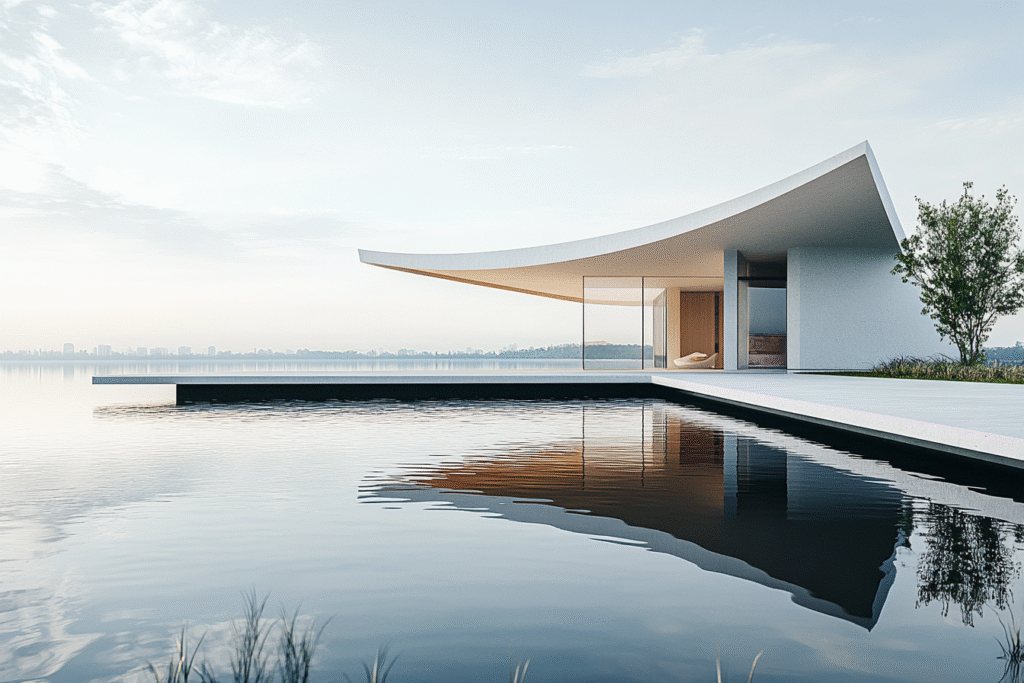
Introduction to Minimalist Home Design Trends
In recent years, minimalist home design has emerged as one of the most influential movements shaping modern interiors. As lifestyles become faster, more digital, and increasingly complex, homeowners are searching for spaces that offer calm, clarity, and balance. Minimalism responds to this need by focusing on simplicity, functionality, and intentional design choices that support everyday living.
This growing preference is not limited to visual appeal. Minimalist interiors are strongly linked to improved mental well-being, enhanced property appeal, and long-term value growth. Real estate developers, interior designers, and homeowners alike are embracing minimalist home design as both a lifestyle philosophy and a strategic investment.
Architectural Digest highlights how minimalism has transitioned from a niche aesthetic into a global standard for contemporary living:
https://www.architecturaldigest.com/story/minimalist-interior-design
What Is Minimalist Home Design?
Minimalist home design is based on the idea of “less but better.” Instead of filling spaces with decorative elements, minimalist interiors emphasize clarity, purpose, and thoughtful design. Every item in the home has a clear function or meaning, which creates an environment that feels organized and intentional.
This approach prioritizes open layouts, neutral color palettes, and furniture with clean lines. Minimalism does not promote emptiness or discomfort. When executed properly, minimalist homes feel warm, elegant, and highly livable, offering both comfort and visual harmony.
A foundational explanation of minimalist principles can be found here:
https://www.interaction-design.org/literature/topics/minimalism
Why Minimalist Home Design Is Trending Worldwide
The rise of minimalist home design trends reflects major shifts in modern lifestyles. Urbanization has led to smaller living spaces, especially in cities, making efficient and flexible design essential. Minimalist interiors maximize available space, allowing homes to feel larger and more functional without structural changes.
At the same time, people are experiencing digital overload. Constant exposure to screens, notifications, and information has increased stress levels, making the home a crucial place for mental recovery. Minimalist homes provide visual calm, helping residents disconnect and recharge.
Changing consumer values also play a significant role. Many homeowners now prefer quality over quantity, choosing fewer but better-made items. Minimalism supports this mindset by encouraging mindful consumption and long-term thinking rather than trend-driven purchases.
The psychological effects of clutter are explored in detail by Psychology Today:
https://www.psychologytoday.com/us/basics/clutter
The Psychological Benefits of Minimalist Interior Design
Minimalist interior design offers powerful mental health benefits. Cluttered environments can contribute to anxiety, distraction, and fatigue, while simplified spaces promote emotional balance and clarity. A minimalist home reduces visual noise, allowing the mind to rest and focus more effectively.
Living in a minimalist environment often leads to better daily routines and improved productivity. With fewer distractions, individuals can concentrate more easily and experience a greater sense of control over their surroundings. This is especially valuable in homes that serve multiple purposes, such as living, working, and relaxing.
Harvard Health Publishing emphasizes the link between environment and mental well-being, reinforcing the value of organized and intentional living spaces:
https://www.health.harvard.edu/mind-and-mood
Core Principles of Minimalist Home Design
Simplicity and Functionality in Home Design
Simplicity is the foundation of minimalist home design. Furniture and layouts are chosen for their function rather than decoration alone. Each piece serves a purpose, which reduces unnecessary items and improves daily usability. This focus on function creates spaces that feel efficient and effortless.
Neutral Color Palettes in Modern Interiors
Neutral color palettes are central to minimalist interiors. Shades of white, beige, gray, and soft earth tones create a calm and cohesive environment. These colors reflect natural light, enhance openness, and provide a timeless backdrop that adapts easily to future design changes.
Open Space and Natural Light
Open layouts and natural light are essential elements of minimalist homes. Fewer walls and unobstructed sightlines improve flow and spatial perception. Large windows and thoughtful lighting design enhance mood, reduce energy consumption, and make interiors feel more inviting.
Quality Materials Over Quantity
Minimalist design encourages investing in high-quality materials rather than excessive décor. Natural elements such as wood, stone, linen, and concrete add warmth and texture while maintaining simplicity. These materials age well and contribute to the long-term value of the home.
A professional overview of minimalist decorating principles is available at:
https://www.thespruce.com/minimalist-decorating-style-4769227
Minimalist Home Design and Modern Architecture
Minimalist interiors align seamlessly with modern architectural design. Clean lines, open spaces, and large glass surfaces work together to create a cohesive aesthetic. Instead of hiding architectural features, minimalist design highlights them, allowing structural elements to become visual focal points.
This harmony between architecture and interior design enhances the overall experience of the home. The result is a space that feels intentional, refined, and timeless—qualities that strongly appeal to modern buyers and investors.
The Role of Technology in Minimalist Smart Homes
Technology has played a major role in advancing minimalist living. Smart home systems reduce physical clutter while improving convenience and efficiency. Integrated lighting, climate control, and entertainment systems eliminate the need for excessive devices and visible wiring.
As technology becomes more discreet and intuitive, it supports the minimalist goal of simplicity without sacrificing comfort. For insights into smart home innovations, visit:
https://www.cnet.com/home/smart-home/
Sustainable Living Through Minimalist Home Design
Minimalist home design naturally supports sustainable living. By reducing consumption and focusing on durability, minimalist homes lower environmental impact. Fewer purchases result in less waste, while high-quality materials reduce the need for frequent replacements.
Minimalist homes also tend to use energy more efficiently. Open layouts, natural lighting, and thoughtful ventilation reduce reliance on artificial systems. The U.S. Green Building Council emphasizes the importance of efficient residential design in promoting sustainability:
https://www.usgbc.org/leed
How Minimalist Design Enhances Property Appeal
From a real estate perspective, minimalist home design significantly improves property appeal. Clean, neutral interiors allow potential buyers to imagine themselves in the space, making the home more relatable and inviting. Without personal clutter or bold stylistic choices, the property appeals to a wider audience.
Minimalist homes photograph exceptionally well, which is critical in today’s digital property market. Bright, open spaces attract more online attention and encourage in-person viewings. The National Association of Realtors confirms that well-presented homes tend to sell faster and at higher prices:
https://www.nar.realtor/research-and-statistics
Minimalist Home Design and Property Value Growth
Minimalist design contributes directly to long-term property value. Its timeless aesthetic reduces the risk of design becoming outdated, which lowers renovation costs over time. Buyers are more likely to invest in homes that feel modern yet adaptable.
Energy efficiency, lower maintenance, and broad market appeal further strengthen the financial benefits of minimalist homes. These factors make minimalist design a strong choice for homeowners focused on resale value and long-term investment.
Applying Minimalist Design to Every Room
Minimalist living rooms emphasize open layouts, comfortable seating, and subtle textures that encourage relaxation without visual overload. Kitchens benefit from streamlined cabinetry, integrated appliances, and clear countertops that improve both aesthetics and functionality.
In bedrooms, minimalist design supports rest through soft colors, limited furniture, and calming layouts. Bathrooms embrace simplicity with natural materials, clean lines, and spa-like atmospheres that enhance daily routines.
Each room reflects the same philosophy: clarity, balance, and purpose.
Common Myths About Minimalist Homes
A common misconception is that minimalist homes feel cold or impersonal. In reality, thoughtful lighting, natural materials, and texture create warmth and character. Another myth is that minimalism is expensive, when in fact fewer purchases often lead to lower overall costs.
Minimalism is not about restriction or rigid rules. It is a flexible design philosophy that adapts to personal lifestyles and cultural contexts.
How to Transition Toward a Minimalist Home Design
Transitioning to minimalist home design is best approached gradually. Decluttering unused items, simplifying layouts, and choosing neutral colors can make an immediate difference. Over time, investing in multifunctional and durable furniture supports a more intentional living environment.
Practical decluttering advice can be found at:
https://www.apartmenttherapy.com
The Future of Minimalist Home Design Trends
Minimalist home design trends are expected to grow stronger as housing needs evolve. Future homes will prioritize flexibility, wellness-focused layouts, sustainable materials, and seamless technology integration. Minimalism is no longer a passing trend but a foundational approach to modern residential design.
Conclusion: Why Minimalist Home Design Is Here to Stay
The shift toward minimalist home design reflects a deeper change in how people define comfort, value, and well-being. By emphasizing simplicity, functionality, and sustainability, minimalist homes enhance both daily living and long-term property value.
As homeowners continue to seek balance in an increasingly complex world, minimalist design remains a timeless and powerful solution—one that benefits the mind, the environment, and the real estate market alike.