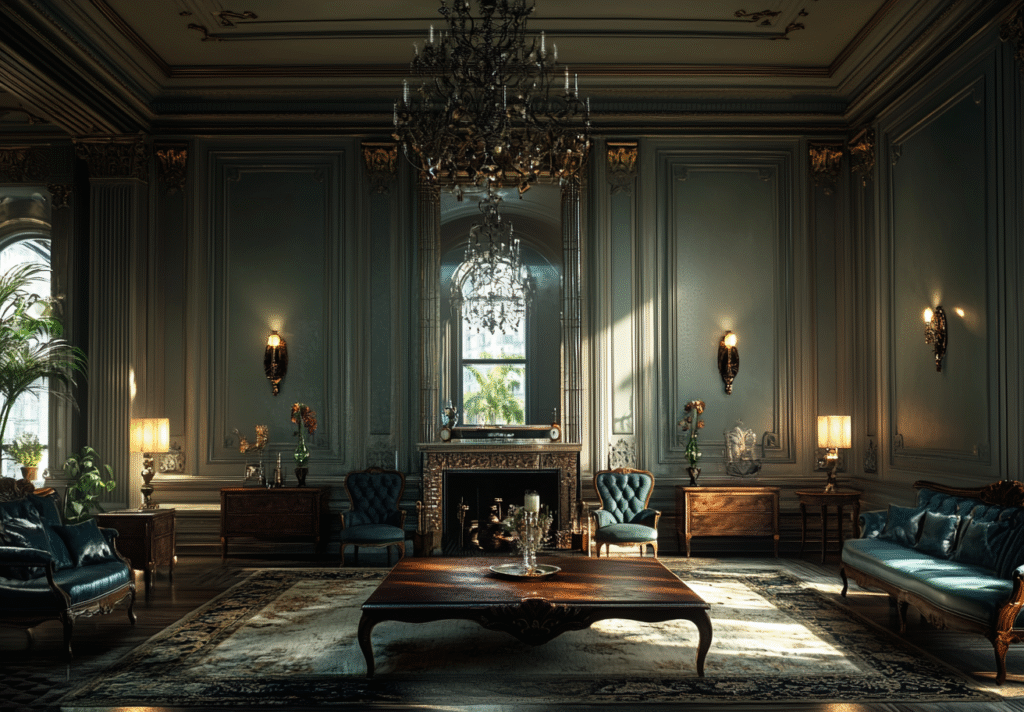
Why Interior Design Plays a Key Role in Increasing Property Value
Interior design is no longer just about aesthetics. In today’s competitive real estate market, design directly influences buyer perception, emotional response, and final selling price. Buyers make decisions within minutes of entering a property, and interior design shapes that first impression more than any other factor.
A thoughtfully designed interior can make a home feel larger, brighter, and more luxurious without changing its structure. According to real estate experts, properties with modern and cohesive interior design tend to sell faster and closer to the asking price. Design upgrades are also more cost-effective than major renovations, making them ideal for homeowners and investors looking for high return on investment.
For a deeper understanding of buyer psychology and property presentation, Forbes provides excellent insights into real estate value drivers:
https://www.forbes.com/real-estate/
Neutral Interior Color Schemes That Increase Home Value
Neutral color palettes are one of the most powerful tools in increasing property value. Buyers are drawn to homes that feel clean, calm, and adaptable. Neutral colors such as warm whites, soft grays, beige, and muted earth tones allow potential buyers to imagine their own furniture and lifestyle in the space.
Homes painted in neutral shades appear brighter and more spacious, which increases perceived square footage. Real estate studies consistently show that neutral interiors appeal to the widest audience and reduce buyer objections. Fresh paint in modern neutral tones can instantly modernize an outdated property and significantly improve listing photos.
HGTV frequently highlights the importance of neutral paint choices for resale value:
https://www.hgtv.com/design/remodel/interior-remodel/paint-colors-for-selling-your-house
Modern Interior Lighting Design That Attracts Buyers
Lighting is one of the most overlooked yet impactful interior design upgrades. Poor lighting can make even a beautiful home feel small and uninviting, while well-designed lighting enhances mood, depth, and architectural features.
Modern lighting design focuses on layering light sources throughout the home. Ambient lighting creates overall brightness, task lighting improves functionality, and accent lighting adds warmth and character. Replacing outdated fixtures with modern designs instantly signals that a property is updated and well maintained.
Buyers strongly associate bright interiors with cleanliness and quality. Homes with excellent lighting often photograph better, receive more online views, and attract higher foot traffic during showings.
Architectural Digest explains how lighting transforms interior spaces and increases visual value:
https://www.architecturaldigest.com/story/lighting-design-basics
Open-Concept Interior Design for Higher Property Value
Open-concept layouts remain one of the most desirable features in residential real estate. Buyers prefer homes that feel connected, flexible, and spacious. Even when full wall removal is not possible, interior design can create visual openness through thoughtful planning.
Consistent flooring throughout living areas, cohesive color schemes, and strategic furniture placement help improve flow between rooms. Open sightlines make spaces feel larger and more functional, which directly increases perceived value.
Real estate professionals often emphasize that homes with better flow feel more livable and command stronger offers, even when square footage remains unchanged.
Kitchen Interior Design Upgrades That Increase Resale Value
The kitchen is one of the most influential rooms when it comes to property value. Buyers often decide how much they are willing to pay based on the kitchen alone. A modern, functional kitchen suggests that the entire home is well cared for.
Interior design upgrades such as updated cabinetry, modern hardware, contemporary backsplashes, and durable countertops dramatically improve kitchen appeal. Neutral kitchen designs with clean lines tend to perform best in resale markets because they feel timeless rather than trendy.
According to Remodeling Magazine’s Cost vs. Value report, kitchen upgrades consistently rank among the highest ROI improvements:
https://www.remodeling.hw.net/cost-vs-value
Bathroom Interior Design That Adds Real Market Value
Bathrooms are emotional spaces that buyers associate with comfort and luxury. Clean, modern bathrooms create trust and reduce concerns about future maintenance or renovation costs.
Interior design elements such as walk-in showers, glass enclosures, floating vanities, large mirrors, and modern fixtures elevate bathroom value. Neutral tile choices and spa-inspired designs appeal to a broad range of buyers and age groups.
Well-designed bathrooms, even small ones, often result in higher offers and faster sales because they signal quality and convenience.
Flooring Choices That Improve Property Value
Flooring has a powerful influence on how buyers perceive a home’s quality. Worn or outdated flooring can instantly lower perceived value, while modern flooring creates a sense of durability and cleanliness.
Hardwood, engineered wood, luxury vinyl plank, and large-format tiles are among the most popular choices for increasing property value. These materials are visually appealing, long-lasting, and easy to maintain.
Uniform flooring throughout the main living areas enhances flow and creates a cohesive look that buyers appreciate. Flooring upgrades also photograph well, which boosts online listing performance.
Smart Interior Storage Design That Buyers Love
Storage is a top priority for modern buyers, especially families and urban residents. Homes with smart storage solutions feel more functional and spacious, even if their actual size is modest.
Interior design strategies such as built-in shelving, custom closets, and floor-to-ceiling cabinetry add both practicality and perceived value. Built-in storage appears permanent and customized, which elevates the overall impression of quality.
Better Homes & Gardens highlights how storage design improves home functionality and resale appeal:
https://www.bhg.com/home-improvement/storage/
Minimalist Interior Design That Maximizes Home Value
Minimalist interior design continues to dominate high-performing real estate listings. Clean lines, uncluttered spaces, and intentional décor choices make homes feel modern and expensive.
Minimalist interiors allow buyers to focus on the space itself rather than personal items or excess furniture. This design approach improves staging effectiveness and reduces distractions during showings.
Minimalism does not mean emptiness. It emphasizes balance, proportion, and thoughtful design decisions that enhance both form and function.
High-Quality Interior Finishes That Increase Buyer Confidence
Buyers notice details, even if they cannot always explain why a space feels premium. Interior finishes such as door handles, switches, trims, and materials quietly influence buyer confidence.
High-quality finishes suggest durability, craftsmanship, and long-term value. When finishes are consistent throughout the home, buyers perceive the property as professionally designed rather than pieced together.
These small upgrades often have a strong psychological impact and help justify higher asking prices.
Home Office Interior Design as a Property Value Booster
The rise of remote and hybrid work has permanently changed buyer priorities. Homes with dedicated or flexible workspaces are now more desirable than ever.
Interior design can transform spare rooms, corners, or underused spaces into functional home offices. Neutral colors, good lighting, and built-in storage create a professional environment that appeals to modern buyers.
Even modest home office spaces can significantly increase buyer interest and differentiate a property from similar listings.
Energy-Efficient Interior Design That Attracts Modern Buyers
Energy efficiency has become a major selling point in real estate. Buyers are increasingly conscious of utility costs and sustainability.
Interior design upgrades such as LED lighting, energy-efficient appliances, smart thermostats, and light-reflective color schemes contribute to lower energy consumption. These features improve comfort while reducing long-term costs.
Energy-efficient homes often attract environmentally conscious buyers and can justify higher property values.
The U.S. Department of Energy explains how efficient design impacts home performance:
https://www.energy.gov/energysaver
Emotional Interior Design That Helps Homes Sell Faster
Successful interior design goes beyond functionality. It creates an emotional connection. Buyers are more likely to make strong offers when they feel comfortable and inspired in a space.
Warm textures, balanced lighting, inviting seating arrangements, and thoughtful décor placement contribute to emotional appeal. Homes that feel welcoming and livable stand out in competitive markets.
Emotion often drives buying decisions more than logic, especially in residential real estate.
Avoiding Interior Design Trends That Reduce Resale Value
While trends can be exciting, they can also date a property quickly. Overly bold colors, themed rooms, or highly personalized designs may limit buyer appeal.
Timeless interior design choices consistently outperform trends in resale value. Neutral palettes, classic materials, and simple forms age better and reduce future renovation concerns for buyers.
Designing for longevity rather than fashion is one of the smartest strategies for increasing property value.
Interior Design as a Strategic Real Estate Investment
Interior design is one of the most cost-effective ways to increase property value and buyer appeal. Strategic design upgrades improve functionality, aesthetics, and emotional impact without requiring major construction.
By focusing on neutral colors, modern lighting, quality finishes, smart layouts, and timeless design principles, homeowners and investors can significantly improve resale potential and market performance.
Interior design should be viewed not as decoration, but as a powerful investment strategy that delivers measurable financial returns.