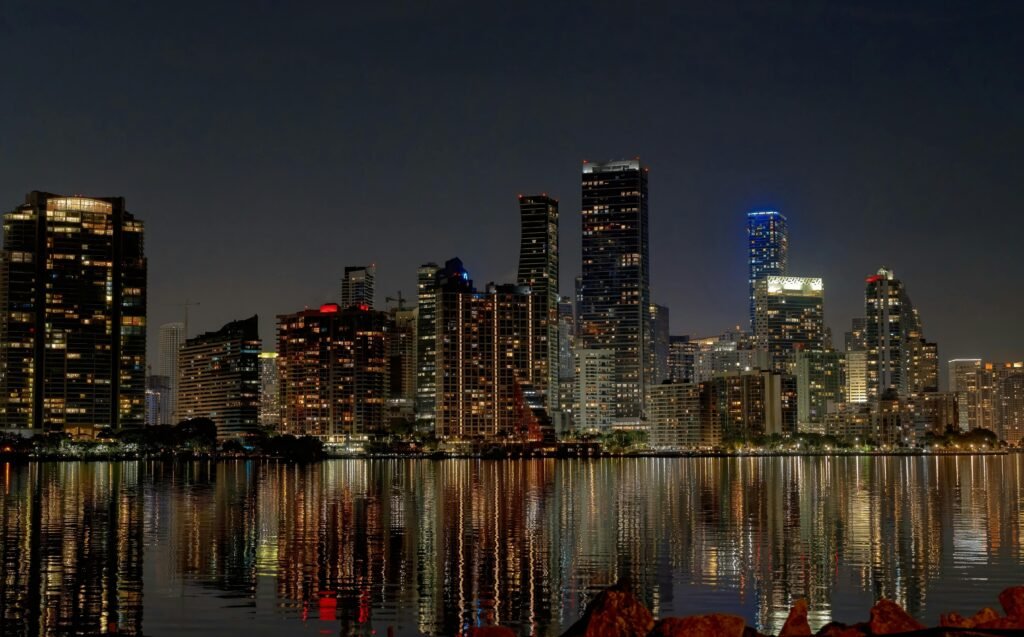
Introduction: How Architectural Trends Are Transforming Urban Living
Urban living is undergoing a major transformation. As cities expand and populations grow, architecture is playing a critical role in redefining how people live, work, and interact within dense urban environments. Modern architectural trends are no longer focused solely on visual appeal; they address sustainability, technology, social equity, and quality of life.
With more than half of the global population living in cities, urban architecture must respond to climate change, housing shortages, and evolving lifestyles. From sustainable buildings to smart city infrastructure, today’s architectural innovations are reshaping city landscapes and redefining urban living standards.
This article explores the top architectural trends reshaping urban living, highlighting how modern design solutions are influencing urban housing, public spaces, and city planning worldwide.
Sustainable Architecture Trends Driving Eco-Friendly Urban Living
Sustainability has become one of the most important architectural trends shaping urban living today. Architects are increasingly designing buildings that reduce environmental impact while improving comfort and efficiency.
Energy-efficient building design incorporates passive cooling, natural ventilation, solar orientation, and high-performance insulation. Green roofs and vertical gardens help combat the urban heat island effect while improving air quality and stormwater management.
Sustainable materials such as recycled steel, reclaimed wood, and low-carbon concrete are now widely used in modern urban construction. Engineered timber, for example, offers a renewable alternative to traditional structural materials.
Learn more about sustainable building practices from the U.S. Green Building Council:
https://www.usgbc.org
Mixed-Use Development Architecture and the Rise of the 15-Minute City
Mixed-use architecture is redefining how cities function. Instead of separating residential, commercial, and recreational areas, architects are designing integrated developments that bring daily necessities closer to residents.
This trend aligns with the concept of the 15-minute city, where people can access work, shopping, healthcare, education, and leisure within a short walk or bike ride. Mixed-use buildings typically combine retail spaces at street level with offices and residential units above.
Architectural designs now emphasize active ground floors, pedestrian-friendly streets, and shared public spaces that promote community interaction and reduce car dependency.
For deeper insights into mixed-use urban planning, visit ArchDaily:
https://www.archdaily.com
Human-Centered Architectural Design Enhancing Urban Quality of Life
Human-centered design is one of the most influential architectural trends in urban living. This approach prioritizes physical comfort, mental well-being, and social interaction.
Key features include abundant natural light, access to outdoor spaces, acoustic comfort, and biophilic design elements such as plants and natural materials. These strategies have been shown to reduce stress and improve overall health.
Residential buildings now incorporate wellness amenities such as rooftop gardens, shared lounges, fitness areas, and quiet zones. In dense cities, these features help residents maintain balance and well-being.
Research on wellness and architecture can be found at the International WELL Building Institute:
https://www.wellcertified.com
Smart Architecture and Technology Shaping Modern Urban Living
Smart architecture is transforming urban living through the integration of digital technology and intelligent systems. Smart buildings use sensors, automation, and data analytics to optimize energy use, security, and comfort.
Automated lighting, climate control, and occupancy monitoring reduce energy waste while enhancing user experience. Residents can control home systems through mobile applications, creating personalized living environments.
On a city scale, smart architecture contributes to smart urban planning by analyzing traffic, pedestrian flow, and infrastructure performance.
Explore how technology is influencing architecture at Smart Cities World:
https://www.smartcitiesworld.net
Adaptive Reuse Architecture Revitalizing Urban Spaces
Adaptive reuse is a growing architectural trend that supports sustainable urban living by transforming existing buildings for new purposes. Instead of demolition, architects repurpose warehouses, factories, and office buildings into housing, cultural venues, or mixed-use developments.
This approach preserves historical character, reduces construction waste, and maintains urban identity. Adaptive reuse projects often act as catalysts for neighborhood revitalization while respecting local heritage.
Urban regeneration through adaptive reuse is widely documented by The Urban Land Institute:
https://uli.org
High-Density Urban Housing Design Focused on Comfort and Livability
High-density living is unavoidable in modern cities, but architectural innovation is making compact urban housing more livable and attractive.
Contemporary high-density architecture focuses on efficient layouts, flexible spaces, and access to shared amenities. Smart storage solutions, modular furniture, and open-plan designs help maximize limited space.
At the building scale, shared facilities such as co-working spaces, play areas, and communal terraces foster social interaction and reduce isolation.
For global perspectives on urban housing design, visit UN-Habitat:
https://unhabitat.org
Modular and Prefabricated Architecture Solving Urban Housing Challenges
Modular and prefabricated construction is emerging as a solution to urban housing shortages. By manufacturing building components off-site, architects can reduce construction time, costs, and environmental impact.
This method ensures higher quality control and minimizes disruption in dense urban areas. Modern modular architecture offers flexibility, customization, and strong aesthetic appeal—far beyond the repetitive designs of the past.
Prefabrication trends in architecture are explored by The Royal Institute of British Architects (RIBA):
https://www.architecture.com
Inclusive Architecture Promoting Social Equity in Urban Living
Inclusive architectural design aims to create urban environments that serve people of all ages, abilities, and income levels. Universal design principles ensure accessibility, safety, and usability for everyone.
Mixed-income housing, accessible public spaces, and community-focused developments help reduce social segregation in cities. Architects are increasingly collaborating with communities to ensure that projects reflect real social needs.
Insights into inclusive urban design can be found at Project for Public Spaces:
https://www.pps.org
Public Space Architecture Strengthening Urban Connectivity
Public space design is central to successful urban living. Modern architectural trends emphasize walkability, cycling infrastructure, and seamless connections to public transportation.
Buildings are designed to engage the street with transparent facades, inviting entrances, and active ground floors. Parks, plazas, and pedestrian corridors are treated as essential extensions of urban architecture.
For best practices in public space design, explore Gehl Architects:
https://gehlpeople.com
Contextual Architecture Preserving Cultural Identity in Cities
Contextual architectural design responds to local climate, culture, and history. Instead of globalized, uniform styles, architects are creating buildings that reflect regional identity while embracing modern innovation.
Using local materials, traditional design references, and climate-appropriate solutions strengthens a sense of place and belonging within urban environments.
Case studies on culturally responsive architecture can be found on Dezeen:
https://www.dezeen.com
Conclusion: The Future of Architectural Trends in Urban Living
The architectural trends reshaping urban living reflect a shift toward sustainability, inclusivity, and human-centered design. Modern architecture now addresses environmental responsibility, technological integration, and social well-being as interconnected priorities.
As cities continue to evolve, successful urban environments will depend on thoughtful architectural strategies that balance density with comfort, innovation with tradition, and growth with sustainability. Architecture is no longer just about buildings—it is about shaping better urban lives.